
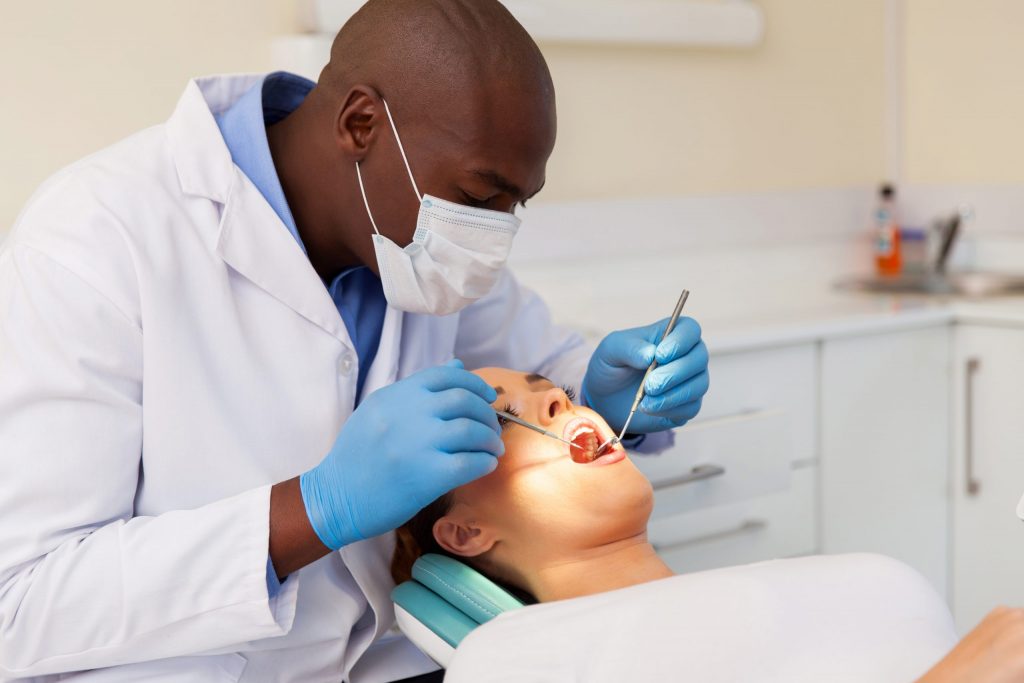

Regular check up dentist visits are crucial for a healthy smile. Learn why, how often to go, and what happens during your dental appointment.
Key Takeaways
- A check up dentist is recommended every six months for most people.
- Regular dental visits can prevent minor issues from becoming major problems.
- Your appointment will include a thorough examination and a professional cleaning.
- Dentists check for cavities, gum disease, and other oral health problems.
- Good oral hygiene at home is essential, but it doesn’t replace a professional cleaning.
Why a Routine Check Up Dentist Is So Important
Many people only think about visiting the dentist when something hurts, but a regular check up dentist is a cornerstone of proactive health care. Think of it like a tune-up for your car. You don’t wait for the engine to seize up before you get an oil change. Similarly, a routine dental visit allows your dentist to spot potential issues long before they cause pain or require more complex, expensive treatments.
During a dental check-up, the dentist and hygienist look for a variety of conditions that you might not even be aware of. They can detect early signs of gum disease, which is a leading cause of tooth loss in adults. They also screen for oral cancer, a condition where early detection is critical for successful treatment. Beyond that, a simple check-up helps monitor the health of your fillings, crowns, and other dental work. It’s not just about preventing cavities; it’s about maintaining your overall oral health for years to come. Skipping these appointments can lead to plaque and tartar buildup, which at-home brushing can’t fully remove, paving the way for cavities and gum problems.
What to Expect During a Check Up Dentist Appointment
Your dental check-up is a two-part process: a comprehensive examination and a professional cleaning. The examination is where your dentist gets a detailed look at your mouth. They’ll use special tools and a small mirror to inspect each tooth, looking for signs of decay or damage. They’ll also assess the health of your gums, checking for any swelling, redness, or bleeding that might indicate gum disease. X-rays are often taken to see what’s happening beneath the surface, revealing issues like impacted teeth, bone loss, and cavities between teeth that aren’t visible to the naked eye. This thorough inspection gives your dentist a complete picture of your oral health, allowing them to recommend the best course of action.
After the examination, the dental hygienist will perform a professional cleaning. This is the part many people dread, but it’s incredibly important. They’ll use a scaler to meticulously remove plaque and tartar from your teeth and along the gumline. Plaque is a sticky film of bacteria that forms on teeth, and when it’s not removed, it hardens into tartar, which can only be removed with professional tools. Once the plaque and tartar are gone, they’ll polish your teeth to remove any surface stains, leaving your mouth feeling fresh and clean. The visit often concludes with a quick fluoride treatment to strengthen your tooth enamel and help prevent future decay.
How Often Should You Get a Check Up Dentist?
For most people, a check up dentist every six months is the standard recommendation. This schedule provides a good balance, allowing your dental team to catch any developing issues before they become serious while also providing a professional cleaning to remove stubborn plaque and tartar. However, this isn’t a one-size-fits-all rule. Some people with a history of dental problems, such as chronic gum disease or a high risk of cavities, may need to go more often, perhaps every three or four months. Conversely, individuals with excellent oral hygiene and a low risk for dental issues might be able to visit less frequently, though this is a decision you should make with your dentist’s guidance. Factors like smoking, a diet high in sugar, and certain medical conditions can also influence how often you should schedule your appointments.
What Can a Check Up Dentist Prevent?
A routine dental visit can prevent a host of problems, big and small. The most obvious prevention is against cavities. By identifying early signs of decay, your dentist can apply a simple filling, which is much less invasive and less expensive than a root canal or tooth extraction. Furthermore, dental check-ups are key to preventing the progression of gum disease, from the mild form of gingivitis to the more severe periodontitis, which can lead to tooth loss and has been linked to other systemic health problems like heart disease and diabetes. Beyond cavities and gum disease, a check up dentist can also help prevent issues like worn-down teeth from grinding (bruxism), and catch early signs of oral cancer. In essence, it’s a preventative shield against a range of oral health issues.


