Who offers Wisdom teeth removal Malvern East
Experiencing discomfort from erupting wisdom teeth is a common dental concern that many individuals face. These third molars often emerge in late adolescence or early adulthood, and due to limited space in the jaw, they can cause a range of issues from pain and infection to damage to adjacent teeth. For residents of Malvern East seeking professional care, understanding who provides Wisdom teeth removal Malvern East is crucial for a smooth and effective treatment journey. This article outlines the types of dental professionals, what to look for in a practice, and what to expect when addressing your wisdom teeth needs in the local area.
Overview
- Wisdom teeth removal Malvern East is primarily offered by general dentists and oral surgeons, depending on the complexity of the case.
- Choosing a practitioner involves assessing their experience, patient reviews, and the technology available in their clinic.
- A thorough initial consultation, including X-rays and a discussion of anaesthesia options, is a standard part of the process.
- Effective post-operative care and adherence to recovery instructions are vital for a comfortable and successful healing period.
- Residents should actively engage with their chosen provider, asking questions to ensure they feel confident and informed about their treatment plan.
- Accessibility to clinics within Malvern East or close by, offering comprehensive dental services, simplifies the process for local patients.
Choosing the Right Professional for Wisdom Teeth Removal Malvern East
When it comes to Wisdom teeth removal Malvern East, the choice of professional largely depends on the complexity of your specific case. General dentists are often equipped to handle straightforward wisdom tooth extractions, particularly if the teeth have fully erupted and have simple root structures. They can assess your situation, perform the procedure, and manage your immediate post-operative care. Many local dental clinics in Malvern East or surrounding suburbs have experienced
Home Care Advice for COVID Patients Essential Tips
Introduction:
For individuals diagnosed with COVID-19, proper home care is essential for managing symptoms, promoting recovery, and preventing the spread of the virus to others. By following essential home care tips, COVID patients can effectively navigate their illness and improve their overall well-being.
Monitor Symptoms Regularly:
One of the most important aspects of home care for COVID patients is monitoring symptoms closely. Keep track of any changes in symptoms, such as fever, cough, shortness of breath, or fatigue, and seek medical attention if symptoms worsen or become severe.
Isolate and Quarantine:
To prevent the spread of COVID-19 to others in the household, it’s crucial for infected individuals to isolate themselves in a separate room and use a separate bathroom if possible. Avoid close contact with others, including family members and pets, and wear a mask when interacting with caregivers or healthcare providers.
Stay Hydrated and Rest:
COVID patients should prioritize rest and hydration to support their body’s immune response and aid in recovery. Drink plenty of fluids, such as water, herbal teas, and broths, to stay hydrated, and get plenty of rest to allow the body to heal.
Follow Medical Advice:
Follow the guidance of healthcare providers and medical professionals regarding treatment and care for COVID-19. Take prescribed medications as directed, and adhere to any recommended isolation or quarantine protocols to prevent the spread of the virus.
Practice Good Hygiene:
Practice good hygiene habits to reduce the risk of spreading the virus to others. Wash hands frequently with soap and water for at least 20 seconds, especially after coughing, sneezing, or touching surfaces. Use hand sanitizer with at least 60% alcohol if soap and water are not available.
Use Over-the-Counter Medications Wisely:
Over-the-counter medications such as acetaminophen or ibuprofen can help alleviate symptoms such as fever, body aches, and headaches.
Discover the Amazing Health Benefits of Blueberries

Boost Your Health Naturally with Blueberry Benefits
The Power of Blueberries
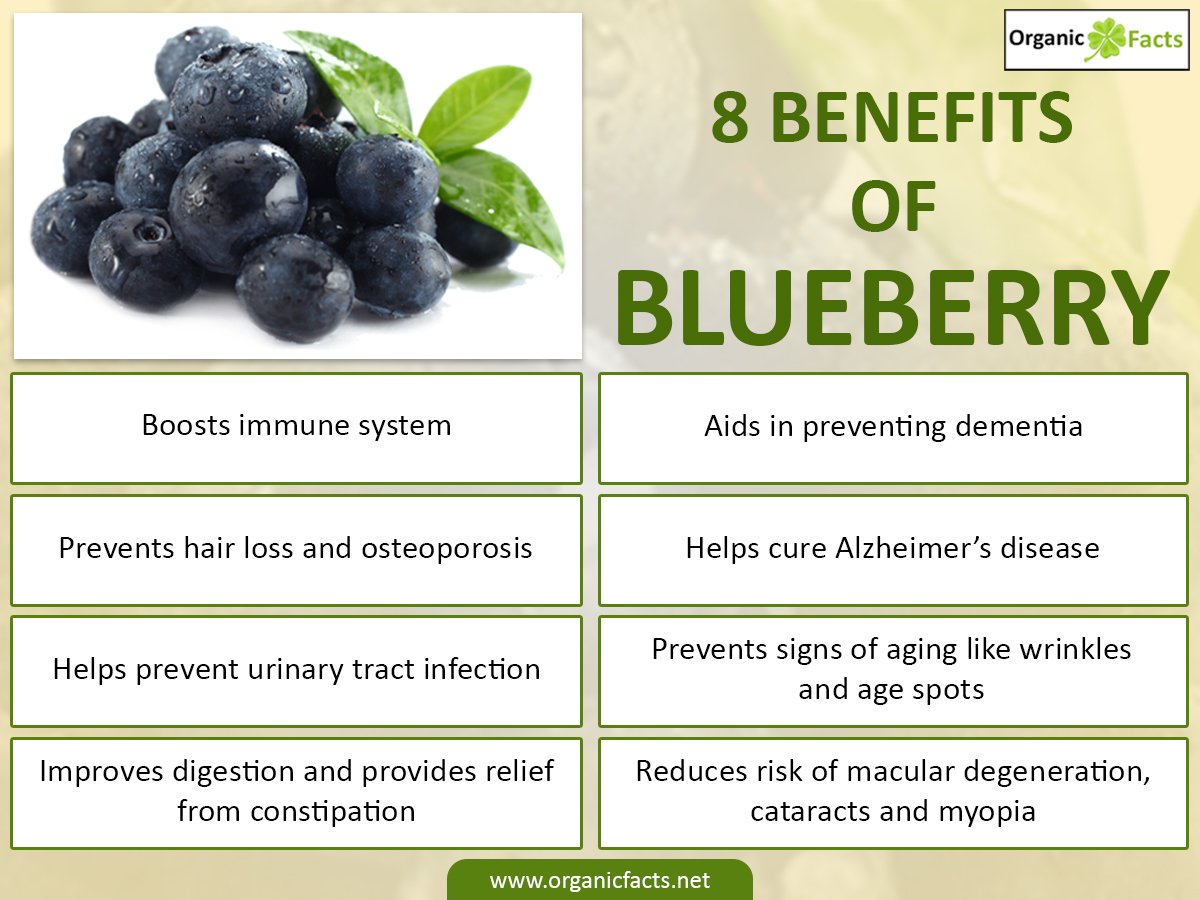
Blueberries are more than just delicious—they’re nutritional powerhouses packed with an array of health benefits. From antioxidant properties to vitamins and minerals, these tiny berries offer a wealth of goodness that can help enhance your overall well-being.
Antioxidant Richness
One of the key benefits of blueberries is their high antioxidant content. These antioxidants, such as anthocyanins, quercetin, and vitamin C, help neutralize free radicals in the body, which can reduce oxidative stress and inflammation. Incorporating blueberries into your diet can contribute to better cellular health and lower the risk of chronic diseases.
Heart Health
Blueberries have been shown to support heart health in several ways. Their antioxidants help lower blood pressure and improve blood flow, reducing the risk of cardiovascular problems. Additionally, blueberries contain compounds called flavonoids, which have been linked to a lower risk of heart disease and stroke.
Brain Boost
Research suggests that blueberries may also benefit brain health and cognitive function. Studies have found that the antioxidants in blueberries can help protect brain cells from damage and improve memory, learning, and overall cognitive performance. Adding blueberries to your diet may help keep your brain sharp as you age.
Digestive Health
Blueberries are rich in dietary fiber, which is essential for digestive health. Fiber helps promote regular bowel movements, prevent constipation, and support a healthy gut microbiome. Additionally, the compounds in blueberries have been shown to have prebiotic effects, feeding beneficial bacteria in the gut and promoting a healthy digestive system.
Weight Management
Including blueberries in your diet can also support weight management and healthy eating habits. Despite their sweet taste, blueberries are relatively low in calories and high in fiber, making them a satisfying and nutritious snack option. Incorporating blueberries into your meals can help you
Understanding Bacterial Infections Causes & Treatments

Understanding Bacterial Infections
Unraveling the Mystery
Bacterial infections, while often misunderstood, are prevalent and can have significant implications for human health. To truly grasp their impact, it’s essential to delve into the intricacies of these microscopic organisms and the diseases they cause.
The Role of Bacteria in Infections
Bacteria are single-celled organisms that can exist virtually anywhere, from soil to human bodies. While many bacteria are harmless or even beneficial, some have evolved to cause infections in humans. These pathogens can enter the body through various means, such as inhalation, ingestion, or direct contact with contaminated surfaces.
Common Types of Bacterial Infections
Bacterial infections encompass a wide range of illnesses, each with its own set of symptoms and treatment approaches. Some of the most common bacterial infections include strep throat, urinary tract infections (UTIs), pneumonia, and food poisoning. Each of these conditions is caused by different types of bacteria and may require specific treatments.
Understanding Transmission and Prevention
The transmission of bacterial infections can occur through various routes, including person-to-person contact, contaminated food or water, and insect bites. Understanding how these pathogens spread is crucial for implementing effective prevention strategies. Simple measures such as handwashing, practicing safe food handling, and avoiding close contact with sick individuals can help reduce the risk of infection.
Signs and Symptoms
Recognizing the signs and symptoms of bacterial infections is essential for early detection and treatment. Symptoms can vary depending on the type of infection and the affected body part but may include fever, cough, abdominal pain, diarrhea, and skin rashes. Seeking medical attention promptly is crucial, as untreated bacterial infections can lead to complications.
Diagnostic Approaches
Diagnosing bacterial infections typically involves a combination of clinical evaluation, laboratory tests, and imaging studies. Healthcare providers may collect samples such as blood, urine, or tissue to identify
MindStrong: Nurturing Psychological Fitness

Unlocking Mental Resilience: Nurturing Psychological Fitness
In a world that constantly challenges our mental well-being, cultivating psychological fitness is essential for navigating life’s complexities. In this guide, we’ll explore the significance of psychological fitness and practical strategies to strengthen your mental resilience and well-being.
Understanding Psychological Fitness: Beyond Physical Health
While physical fitness is widely recognized, psychological fitness is equally crucial. It encompasses mental resilience, emotional well-being, and the ability to cope with stressors. Psychological fitness goes beyond the absence of mental illness; it involves actively nurturing mental strength and adopting positive coping mechanisms.
Mindfulness and Mental Resilience: The Power of Present-Moment Awareness
Mindfulness practices are powerful tools for enhancing psychological fitness. Engaging in activities such as meditation, deep breathing, or mindful walking fosters present-moment awareness. This, in turn, helps manage stress, reduce anxiety, and build mental resilience by grounding individuals in the current reality.
Emotional Intelligence: The Foundation of Psychological Fitness
Emotional intelligence is a key component of psychological fitness. It involves understanding and managing one’s emotions, empathizing with others, and navigating social situations effectively. Cultivating emotional intelligence contributes to healthier relationships, improved decision-making, and overall mental well-being.
Positive Psychology: Focusing on Strengths and Flourishing
Positive psychology emphasizes the cultivation of strengths and virtues to enhance well-being. Rather than solely addressing problems, it explores factors that contribute to a fulfilling life. Practicing gratitude, fostering optimism, and pursuing activities that bring joy contribute to building psychological fitness and promoting a positive mindset.
Resilience Building: Turning Challenges into Opportunities
Psychological fitness involves developing resilience—the ability to bounce back from challenges stronger than before. Embracing setbacks as learning opportunities, maintaining a positive outlook, and fostering adaptability are essential components of resilience building. Resilient individuals navigate adversity with greater ease, maintaining their mental well-being.
Cognitive Behavioral Techniques: Rewiring Negative Thought Patterns
Cognitive Behavioral
Balanced Skin Care: Essential Tips for a Healthy Glow

Introduction:
Achieving balanced skin is a journey that involves adopting a holistic approach to skincare. By incorporating essential tips into your routine, you can promote a healthy glow and maintain your skin’s equilibrium. Let’s explore some balanced skin tips that can contribute to a radiant complexion.
1. Understand Your Skin Type:
The first step in achieving balanced skin is understanding your skin type. Whether you have oily, dry, combination, or sensitive skin, tailor your skincare routine to address its specific needs. Using products designed for your skin type sets the foundation for a balanced and effective regimen.
2. Cleanse Gently and Regularly:
Cleansing is a crucial aspect of skincare, but it’s essential to strike a balance. Opt for a gentle cleanser that effectively removes impurities without stripping away natural oils. Cleansing regularly, particularly before bedtime, helps prevent breakouts and promotes a clean canvas for the rest of your skincare routine.
3. Hydrate for Lasting Radiance:
Balanced skin requires adequate hydration. Choose a hydrating moisturizer that suits your skin type to lock in moisture and maintain a supple complexion. Well-hydrated skin is less prone to irritation and maintains a natural, healthy radiance.
4. Sunscreen: Your Daily Shield Against Imbalance:
Protecting your skin from harmful UV rays is a non-negotiable step in achieving balanced skin. Apply a broad-spectrum sunscreen daily, even on cloudy days. Sunscreen not only prevents sun damage but also helps in maintaining an even skin tone.
5. Embrace Antioxidant-Rich Products:
Integrate antioxidants into your skincare routine to combat free radicals and promote balanced skin. Ingredients like vitamin C and E help protect your skin from environmental stressors, contributing to a more resilient and radiant complexion.
6. Balance Your Diet for Skin Wellness:
A balanced diet plays a significant role in skincare. Consume a variety of fruits, vegetables, and nutrient-rich