
Nurturing Mental Well-Being for a Healthier Mind

Nurturing Mental Well-Being for a Healthier Mind
In the hustle and bustle of daily life, it’s easy to overlook the importance of mental well-being. Taking proactive steps to nurture your mind health can have profound effects on your overall quality of life. Let’s explore some key strategies to foster a healthier and more resilient mind.
Understanding Mind Health
Mind health encompasses a range of factors, including emotional well-being, stress management, and cognitive function. It goes beyond the absence of mental illness, emphasizing the cultivation of positive mental states and coping mechanisms. Recognizing the significance of mind health is the first step towards a more balanced and fulfilling life.
Prioritizing Self-Care
Self-care is foundational to mind health. Carving out time for activities that bring you joy and relaxation is crucial. Whether it’s reading a book, taking a nature walk, or practicing mindfulness, self-care rituals contribute to emotional resilience and stress reduction.
Building Supportive Relationships
Human connections play a vital role in mind health. Cultivate supportive relationships with friends, family, or a community. Sharing your thoughts and feelings with others fosters a sense of belonging and provides emotional support during challenging times.
Mind-Body Connection
The mind and body are intricately connected. Engaging in regular physical activity not only benefits your physical health but also has a positive impact on your mental well-being. Exercise releases endorphins, the body’s natural mood elevators, promoting a more positive outlook.
Nutrition for Mental Well-Being
A well-balanced diet contributes to both physical and mental health. Certain nutrients, such as omega-3 fatty acids and antioxidants, have been linked to cognitive function and mood regulation. Prioritize a diet rich in fruits, vegetables, whole grains, and lean proteins for optimal mind health.
Stress Management Techniques
Chronic stress can take a toll on mental well-being. Explore stress management techniques such as deep
Finding Balance: Strategies for Inner Stability

Navigating Life’s Storms: Strategies for Inner Stability
Maintaining inner stability is a profound journey that involves adopting strategies to navigate life’s challenges with resilience and grace. In this exploration, we uncover effective Inner Stability Strategies that can empower you to find balance amidst the storms of life.
Cultivating Mindfulness for Inner Grounding
Mindfulness serves as a cornerstone for inner stability. By cultivating a present-moment awareness, you can anchor yourself amidst the turbulence of life. Mindful practices, such as meditation and deep breathing exercises, become powerful tools to foster a sense of calm and inner grounding.
Inner Stability Strategies – A Link to Empowerment
Discover a wealth of insights and practical tips on enhancing inner stability at Inner Stability Strategies. This comprehensive resource offers a guide to navigating life’s challenges and fostering lasting stability in the midst of change.
Embracing Change with a Resilient Mindset
Change is inevitable, and cultivating a resilient mindset is crucial for inner stability. Rather than resisting change, embrace it as an opportunity for growth and transformation. A flexible mindset allows you to adapt to life’s fluctuations without losing your internal equilibrium.
Building a Supportive Network
Surrounding yourself with a supportive network is a key strategy for inner stability. Cultivate relationships that uplift and inspire you. Whether it’s friends, family, or mentors, a strong support system provides a safety net during challenging times and reinforces your sense of stability.
The Power of Self-Compassion
Practicing self-compassion is a transformative strategy for inner stability. Treat yourself with the same kindness and understanding that you would offer to a friend facing difficulties. Embracing self-compassion allows you to navigate challenges with a gentler and more resilient perspective.
Mind-Body Connection: Nurturing Physical Wellbeing
The connection between mind and body is profound. Nurturing your physical wellbeing contributes to inner stability. Regular exercise,
Optimal Oral Health: Effective Dental Care Practices

Optimal Oral Health: Effective Dental Care Practices
Maintaining good oral health is fundamental for overall well-being. Explore essential oral health practices that contribute to strong teeth, healthy gums, and a confident smile.
Brushing Techniques for Healthy Teeth
Proper brushing is the foundation of effective dental care. Use a soft-bristled toothbrush and fluoride toothpaste. Brush at least twice a day, using gentle, circular motions. Pay attention to all surfaces of your teeth, including the gums and tongue. This helps remove plaque, prevent cavities, and promote overall oral hygiene.
Flossing: The Key to Gum Health
Flossing is often overlooked, but it’s crucial for gum health. Make flossing a daily habit to remove plaque and food particles from between your teeth where your toothbrush can’t reach. Proper flossing helps prevent gum disease, reduces bad breath, and contributes to a clean and healthy mouth.
Choose a Balanced Diet for Oral Health
Nutrition plays a significant role in oral health. Consume a balanced diet rich in fruits, vegetables, whole grains, and lean proteins. Limit sugary snacks and beverages, as they can contribute to tooth decay. A healthy diet provides essential nutrients that support strong teeth and gums.
Regular Dental Check-ups
Routine dental check-ups are essential for preventive care. Schedule regular appointments with your dentist for cleanings and examinations. Dental professionals can detect issues early, provide guidance on oral care, and offer personalized recommendations for maintaining optimal oral health.
Avoid Tobacco Products for Healthy Gums
Tobacco use poses serious risks to oral health. Smoking and chewing tobacco can lead to gum disease, tooth decay, and even oral cancer. Quitting tobacco is a crucial step in promoting healthy gums and overall well-being. Seek support and resources to quit if needed.
Limit Alcohol Consumption
Excessive alcohol consumption can negatively impact oral health. It can contribute to dry mouth,
Mind Harmony: Holistic Wellness for Mental Well-being

Mind Harmony: Holistic Wellness for Mental Well-being
Achieving mental well-being involves a holistic approach that addresses various aspects of your life. Explore the principles of holistic mind wellness to foster balance, resilience, and lasting mental harmony.
Mindful Practices for Present Living
The foundation of holistic mind wellness lies in mindfulness. Embrace practices such as meditation, mindful breathing, and present-moment awareness. These techniques cultivate a grounded and centered state of mind, fostering mental clarity and reducing stress.
Balanced Nutrition for Cognitive Health
Nutrition plays a vital role in mental well-being. Adopt a balanced diet rich in brain-boosting nutrients, including omega-3 fatty acids, antioxidants, and vitamins. Fueling your body with nourishing foods supports cognitive function and contributes to a healthy mind.
Physical Activity for Mental Vitality
Regular exercise is not only beneficial for the body but also essential for mental vitality. Engage in activities you enjoy, whether it’s walking, jogging, yoga, or dancing. Physical activity releases endorphins, the body’s natural mood lifters, promoting a positive mindset.
Emotional Intelligence for Self-awareness
Holistic mind wellness emphasizes emotional intelligence. Cultivate self-awareness by recognizing and understanding your emotions. Develop the ability to navigate and express emotions effectively, fostering emotional resilience and stronger mental well-being.
Restorative Sleep for Mental Renewal
Quality sleep is a cornerstone of holistic mind wellness. Prioritize a consistent sleep routine, aiming for 7-9 hours of restorative sleep each night. Quality sleep enhances cognitive function, emotional well-being, and overall mental renewal.
Mind-Body Connection through Holistic Practices
Explore holistic practices that foster the mind-body connection. Activities like yoga, tai chi, and qigong integrate physical movement with mindfulness, promoting a harmonious connection between the body and mind. These practices contribute to overall well-being.
Stress Management Techniques for Mental Calmness
Effective stress management is essential for holistic mind wellness. Incorporate stress-reducing techniques such as deep breathing, progressive
Optimal Oral Wellness: Effective Dental Health Practices
Introduction:
Maintaining optimal oral health practices is integral to overall well-being. This guide explores effective dental care practices that contribute to a healthy and vibrant smile, emphasizing the importance of a proactive approach to oral wellness.
Establishing a Consistent Dental Routine:
The foundation of oral health lies in establishing a consistent dental routine. Brushing teeth at least twice a day with fluoride toothpaste, flossing daily, and using an antiseptic mouthwash help remove plaque, prevent cavities, and promote gum health. A dedicated routine is the first step towards maintaining a healthy smile.
Choosing the Right Toothbrush and Toothpaste:
Selecting the right toothbrush and toothpaste is essential for effective oral care. A soft-bristled toothbrush is gentle on teeth and gums, while fluoride toothpaste strengthens enamel and prevents decay. Personalizing these choices based on individual preferences and dental needs contributes to a more comfortable and efficient brushing experience.
Prioritizing Regular Dental Check-ups:
Regular dental check-ups are a cornerstone of oral health practices. Scheduling biannual visits to the dentist allows for professional cleanings, early detection of potential issues, and personalized advice on maintaining optimal oral hygiene. Proactive dental care is key to preventing and addressing oral health concerns.
Embracing Proper Flossing Techniques:
Flossing is often overlooked but plays a crucial role in oral health. Proper flossing removes plaque and debris from between teeth and along the gumline, areas that toothbrushes may not reach effectively. Embracing correct flossing techniques ensures a comprehensive approach to dental care.
Balancing a Nutrient-Rich Diet:
Nutrition is linked to oral health, and a nutrient-rich diet benefits both teeth and gums. Consuming foods high in calcium, vitamins, and minerals supports strong enamel and gum health. Balancing a diet that includes fruits, vegetables, dairy, and lean proteins contributes to overall oral wellness.
Limiting Sugary and Acidic Foods:
Reducing the intake of sugary
Optimize Your Oral Health with Proven Dental Hygiene Tips

Optimize Your Oral Health with Proven Dental Hygiene Tips
Maintaining excellent dental hygiene is crucial for a healthy smile and overall well-being. In this article, we’ll explore some proven tips to help you optimize your oral health and achieve a radiant, confident smile.
The Foundation of Dental Hygiene
Good oral hygiene starts with the basics – regular brushing and flossing. Brush your teeth at least twice a day with fluoride toothpaste to remove plaque and prevent tooth decay. Additionally, flossing helps to clean between teeth, reaching areas that your toothbrush may miss.
Choose the Right Tools
Investing in the right dental tools can make a significant difference. Use a soft-bristled toothbrush to avoid damaging your enamel and gums. Consider an electric toothbrush for more effective plaque removal. Furthermore, incorporate antimicrobial or fluoride mouthwash into your routine for added protection.
Mind Your Diet for Oral Health
A balanced diet plays a crucial role in maintaining healthy teeth and gums. Limit sugary and acidic foods, as they contribute to tooth decay and enamel erosion. Instead, focus on consuming calcium-rich foods like dairy, leafy greens, and almonds, which promote strong teeth.
Regular Dental Check-ups
Schedule regular dental check-ups to catch any potential issues early on. Professional cleanings and examinations help prevent problems and ensure your oral health is in top condition. Your dentist can provide personalized advice and address any concerns you may have.
Hydration and Oral Health
Drinking an adequate amount of water is not only essential for your overall health but also for your oral hygiene. Water helps to rinse away food particles, bacteria, and acid, reducing the risk of cavities. Stay hydrated throughout the day for a happy and healthy mouth.
Avoid Tobacco Products
Smoking and using other tobacco products have severe consequences for oral health. They contribute to gum
Achieving Mental Harmony: Practical Tips for Inner Balance

Achieving Mental Harmony: Practical Tips for Inner Balance
Maintaining mental harmony is essential for overall well-being. In today’s fast-paced world, stress and anxiety can take a toll on our mental health. Fortunately, there are practical tips that can help you achieve inner balance and promote mental harmony.
Understanding the Importance of Mental Harmony
Achieving mental harmony is not just about avoiding stress; it’s about fostering a positive and balanced mindset. Mental well-being is closely linked to physical health, and finding harmony in your thoughts and emotions can have a profound impact on your overall quality of life.
Embracing Mindfulness and Meditation
One effective way to cultivate mental harmony is through mindfulness and meditation. Take a few moments each day to focus on your breath, clearing your mind of clutter. Engaging in mindfulness practices helps reduce stress, improve concentration, and promote a sense of inner peace.
Building Healthy Habits for a Balanced Lifestyle
A key component of mental harmony is maintaining a balanced lifestyle. Ensure you prioritize adequate sleep, regular exercise, and a nutritious diet. These factors play a crucial role in supporting your mental and emotional well-being, contributing to a more harmonious state of mind.
Cultivating Positive Relationships
Social connections are vital for mental health. Surround yourself with supportive and positive individuals who uplift and encourage you. Cultivating meaningful relationships helps create a strong support system, fostering a sense of belonging and contributing to your overall mental harmony.
Setting Realistic Goals and Expectations
Unrealistic expectations can lead to stress and frustration. Set achievable goals and break them down into smaller, manageable tasks. Celebrate your successes along the way, and don’t be too hard on yourself if things don’t go as planned. This approach helps maintain a positive outlook and contributes to mental harmony.
Practicing Gratitude
Take time each day to
Dermatological Practices for Healthy Skin Maintenance

Dermatological Practices for Healthy Skin Maintenance
Maintaining healthy skin involves adopting dermatological practices that prioritize skin care and address various skin concerns. Explore effective strategies to keep your skin vibrant and well-nourished.
Understanding Your Skin Type and Needs
One of the fundamental aspects of effective dermatological practices is understanding your skin type. Whether your skin is oily, dry, combination, or sensitive, tailoring your skincare routine to meet its specific needs is essential. Dermatologists can provide insights into your skin type and recommend suitable products and practices.
Establishing a Consistent Skincare Routine
Consistency is key when it comes to skincare. Establishing a daily skincare routine ensures that your skin receives the care it needs regularly. A basic routine typically includes cleansing, toning, and moisturizing. Adding specific treatments or serums based on your skin concerns can enhance the effectiveness of your routine.
Proper Cleansing for Skin Health
Proper cleansing is a crucial dermatological practice. It removes impurities, excess oil, and makeup, preventing clogged pores and breakouts. Choose a gentle cleanser appropriate for your skin type, and cleanse your face twice daily. Over-cleansing or using harsh products can strip the skin of natural oils, leading to dryness.
Sun Protection as a Daily Necessity
Protecting your skin from the sun is a non-negotiable dermatological practice. UV rays contribute to premature aging, sunburn, and an increased risk of skin cancer. Apply a broad-spectrum sunscreen with at least SPF 30 daily, even on cloudy days. Reapply sunscreen every two hours, especially when outdoors.
Hydration for Healthy and Supple Skin
Keeping your skin well-hydrated is essential for maintaining its health and suppleness. Hydration helps prevent dryness, flakiness, and promotes a radiant complexion. Use a moisturizer suitable for your skin type and consider incorporating hydrating serums or masks into your routine, especially in drier climates.
Targeted Treatments for
Dental Harmony: Effective Routines for Oral Well-being
Introduction
Maintaining optimal oral health is essential for overall well-being, and establishing effective dental well-being routines plays a pivotal role. In this article, we delve into key practices that contribute to a harmonious and healthy oral care routine.
Daily Brushing and Flossing Habits
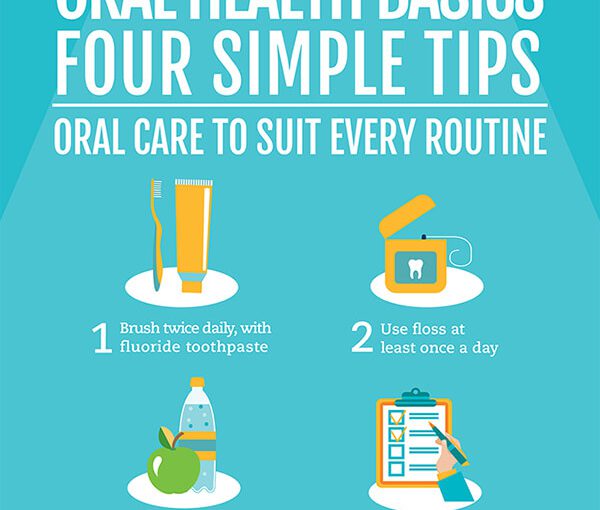
The foundation of dental well-being lies in daily brushing and flossing. These habits help remove plaque, bacteria, and food particles, preventing the development of cavities and gum disease. Use a fluoride toothpaste, and be thorough yet gentle to safeguard the enamel and gum health.
Choosing the Right Oral Care Products
Selecting the right oral care products is crucial for effective dental routines. Invest in a toothbrush with soft bristles and replace it every three to four months. Additionally, choose dental floss that suits your preferences, whether traditional floss, floss picks, or interdental brushes.
Regular Dental Check-ups for Prevention
Regular dental check-ups are a cornerstone of dental well-being. These appointments allow dentists to detect potential issues early, preventing them from escalating into more significant problems. Aim for biannual check-ups, and discuss any concerns or changes in your oral health with your dentist.
Balanced Nutrition for Oral Health
Diet plays a significant role in dental well-being. Consume a balanced diet rich in fruits, vegetables, dairy, and lean proteins. Limit sugary snacks and beverages, as they can contribute to tooth decay. Adequate hydration also supports saliva production, which helps neutralize acids and protect teeth.
Avoiding Tobacco and Limiting Alcohol
Tobacco use is a major risk factor for various oral health issues, including gum disease and oral cancer. Quitting smoking and avoiding tobacco products contribute significantly to dental well-being. Additionally, limit alcohol consumption, as excessive alcohol intake is linked to increased risk of gum disease.
Understanding the Importance of Saliva
Saliva plays a crucial role in maintaining oral health. It helps
Empower Your Life: Lifestyle Fitness Education for Vitality

Empower Your Life: Lifestyle Fitness Education for Vitality
Embarking on a journey of lifestyle fitness education is not just about physical exercise; it’s a holistic approach that empowers you to transform your life. Let’s delve into the multifaceted aspects of lifestyle fitness education and how it can enhance your overall well-being.
Understanding Lifestyle Fitness Education: Beyond the Gym
Lifestyle fitness education goes beyond traditional notions of exercise. It encompasses a comprehensive understanding of how lifestyle choices, including nutrition, sleep, stress management, and physical activity, impact overall health. This education empowers individuals to make informed choices for a well-rounded and sustainable approach to fitness.
Holistic Approach to Physical Activity: Finding Your Balance
In lifestyle fitness education, physical activity is not viewed as a chore but as a vital component of a fulfilling life. It involves finding activities you enjoy, whether it’s hiking, dancing, yoga, or sports. The focus is on creating a balanced and enjoyable routine that aligns with your preferences, ensuring long-term commitment to an active lifestyle.
Nutrition as a Foundation: Fueling Your Fitness Journey
A crucial aspect of lifestyle fitness education is understanding the role of nutrition in achieving fitness goals. It involves learning about balanced diets, nutrient-rich foods, and personalized nutrition plans. By fueling your body with the right nutrients, you enhance your energy levels, support muscle growth, and optimize overall health.
Mind-Body Connection: Nurturing Mental Well-being
Lifestyle fitness education recognizes the profound connection between the mind and body. It involves practices like mindfulness, meditation, and stress-reducing activities. Cultivating a positive mindset and managing stress contribute not only to mental well-being but also enhance the overall effectiveness of your fitness journey.
Personalized Fitness Plans: Tailoring to Your Needs
One size doesn’t fit all in lifestyle fitness education. The approach is personalized, considering individual needs, preferences, and fitness levels.